
La Terre / 間 Ma
Une terre qui porte la mémoire des siècles
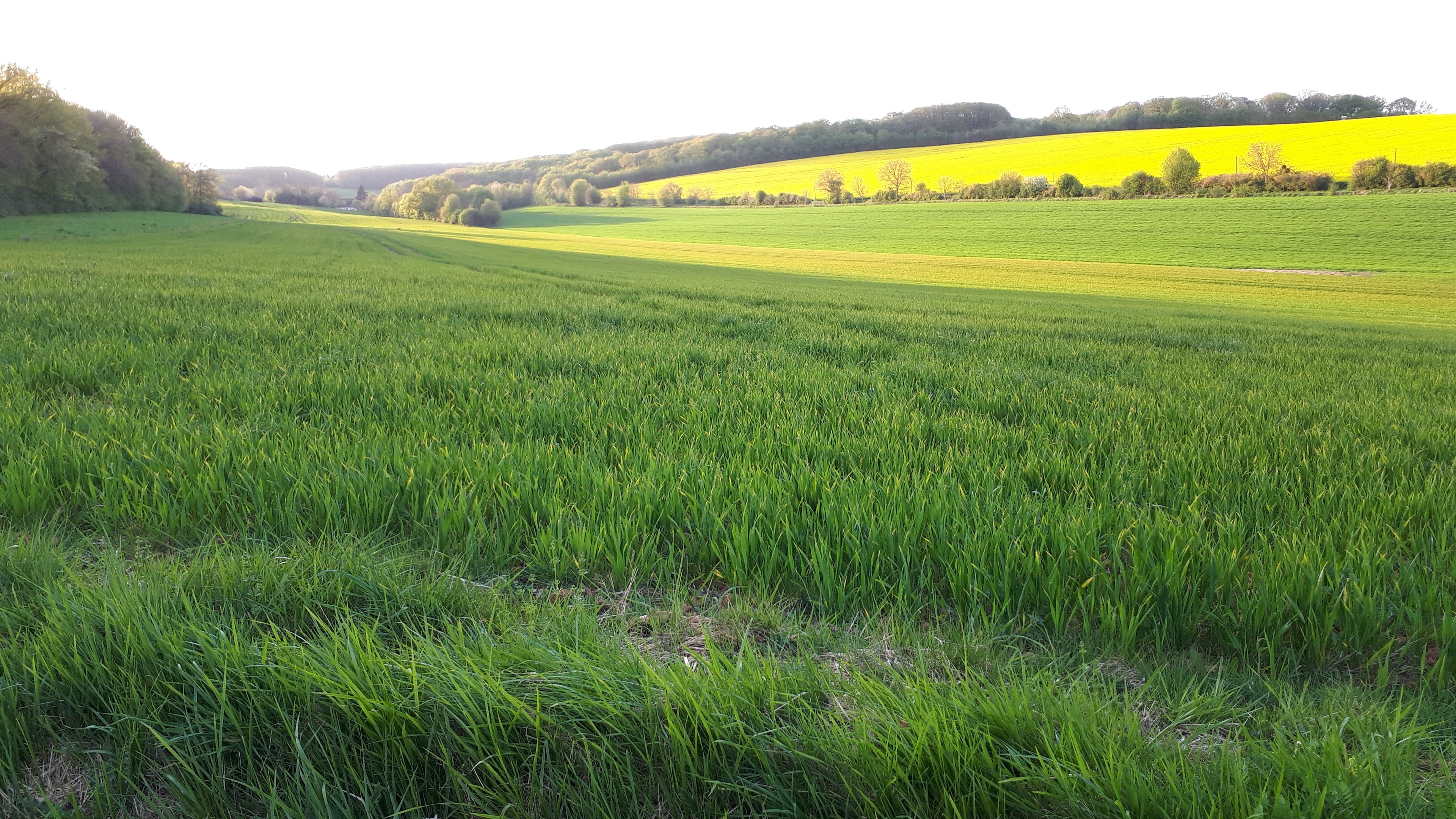
The Wabi-Sabi Preserve encompasses historic grounds in the heart of France — ancient woodland, stone walls, meadows, and gardens that have been tended across generations.
L'Histoire du Domaine / 物語 Monogatari
From working land to living sanctuary
The land that now forms the Wabi-Sabi Preserve has been inhabited and cultivated for more than eight centuries. Its earliest recorded history traces to a medieval agricultural estate, its stone walls laid by hands whose names are now lost to time — yet whose work endures in every weathered course of limestone.
Through the centuries, the land passed through the care of farmers, monks, and landowners, each leaving their quiet mark: a terrace carved into a hillside, a row of ancient oaks planted as a windbreak, a garden laid out in the formal French tradition and then allowed, over decades, to soften back toward wildness.
In the early twenty-first century, the land came to its current stewards with a single intention: to preserve not only the physical heritage of the grounds, but to open them as a living space for contemplative practice — a place where the deep time of the land and the timeless wisdom of Eastern traditions could meet in unhurried dialogue.
La Préservation / 守護 Shugo
Tending the land with care and intention
Stewardship here means more than maintenance. It means listening to the land — understanding its rhythms, its needs, its memory. We practice no-dig cultivation in the kitchen garden, allow the meadows to follow their own seasonal cycles, and restore the ancient stone structures using traditional techniques and local materials. Every decision is made with the next generation in mind.
Préservation du Patrimoine
Restoring and maintaining historic stone structures, terraces, and garden features using traditional methods and locally sourced materials.
Écologie Régénérative
Cultivating the land through regenerative practices — no-dig gardening, native planting, and allowing natural succession in the woodland areas.
Mémoire Vivante
Documenting the history of the land through oral histories, archival research, and the ongoing record of its transformation into a cultural sanctuary.
Chronologie / 歴史 Rekishi
Eight centuries of continuity
Premières fondations
The earliest stone structures are laid — agricultural buildings and boundary walls that still stand today, their limestone worn smooth by centuries of weather.
Le jardin à la française
A formal garden is established in the classical French tradition — geometric parterres, clipped hedges, and a central allée of linden trees that still frames the approach to the main grounds.
Époque agricole
The land reaches its greatest agricultural extent — orchards, kitchen gardens, and working fields that fed the surrounding community through two world wars.
Retour à la nature
Agricultural use declines and the land begins its slow return to wildness — the formal garden softens, the meadows reclaim the field edges, and the woodland deepens.
Acquisition et vision
The land is acquired by its current stewards with a vision for a new kind of sanctuary — one that honors both the French heritage of the grounds and the Eastern contemplative traditions they wished to cultivate here.
Premiers programmes
The first contemplative programs are offered — a small group meditation retreat and a tea ceremony workshop — marking the beginning of the Preserve's life as a cultural and educational sanctuary.
Un sanctuaire vivant
The Preserve continues to evolve — restoring, planting, welcoming practitioners and learners from across France and beyond, and deepening its commitment to the land and the traditions it shelters.
Le Domaine / 場所 Basho
The grounds through the seasons


Venez marcher sur cette terre
The land is open to visitors, practitioners, and those who simply wish to walk in silence. Come and see for yourself what eight centuries of care have made.